How Cần Thơ’s Casino Conversations Put Luck in Context
Casino luck in Cần Thơ can mean a family memory, a travel story, or a claim about chance; learn to tell those meanings apart in conversation.

In Cần Thơ, a casino story can turn on a blue scarf, a saying passed down at home, or a game someone remembers from a trip. Casino luck in Cần Thơ is not one fixed belief: the useful question is what a particular speaker means by “lucky,” and how that meaning changes as the story moves from a family conversation to a classroom or public discussion.
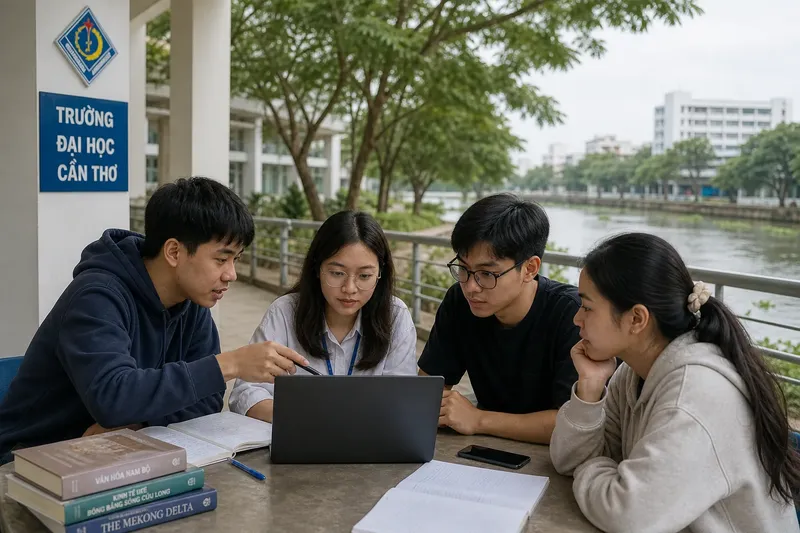
That distinction gives Trường Đại học Cần Thơ a meaningful vantage point. Students can study how people tell stories about leisure, memory, and chance without treating any one speaker as a spokesperson for the city or the Mekong Delta. A keepsake might offer emotional comfort; a claim that it predicts a game’s result is a different kind of statement.
What changes when a casino story reaches campus?
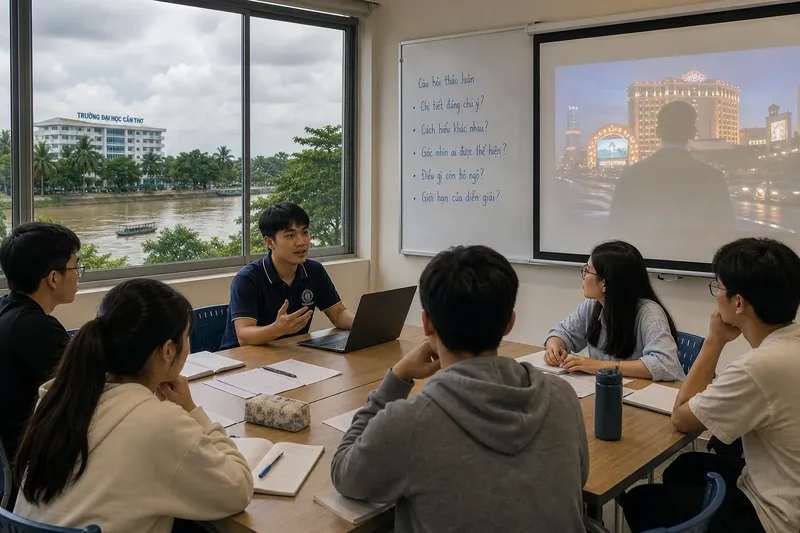
A story’s setting can change its purpose. At home, a relative might share a family custom to explain why an object matters. In a university class, the same story could prompt questions about how people describe chance, how symbols acquire meaning, and what evidence a speaker offers for a claim.
That does not mean campus discussion should strip away personal meaning. It means keeping the speaker’s account intact while making clear what it can and cannot tell us. One student’s recollection can illustrate how that student understands a ritual; by itself, it cannot establish a shared regional practice.
What does “lucky” mean in a casino story?
“Lucky” can describe a favorable outcome after it happens, a reassuring object, or a belief that a sign points to what will happen next. These meanings can overlap in everyday conversation, so a listener should not assume that a person who calls a keepsake lucky also believes it predicts a game.
Say Minh, an invented student at Trường Đại học Cần Thơ, hears a classmate describe bringing a small cloth pouch on a casino visit. Minh asks whether it belonged to a family member, helped the classmate feel at ease, or was thought to influence a result. If the classmate says it was a gift from an aunt and a reminder of home, Minh can describe it as a family keepsake—not as a regional omen.
Attribution helps preserve that distinction. “My classmate said the pouch reminded them of home” keeps the source and meaning visible. “People in the Mekong Delta rely on lucky objects” turns one account into a claim about many people without support.
How is a personal ritual different from a prediction?
A ritual may give someone a familiar way to begin an outing or express attachment to a person or place. A prediction makes an additional claim: that a sign points to an uncertain game result. The first describes personal meaning; the second describes an expectation about chance.
Casino stories often link events in sequence: someone carries an object, plays a game, and later recalls a result. That order is worth recording, but it does not establish that the object caused or forecast the result. A careful retelling separates the action, the outcome as the speaker remembers it, and the interpretation they attach to it.
Which questions help explain casino luck in Cần Thơ?
Does one person’s ritual describe the whole Mekong Delta?
No. One account tells you what that speaker chose to share, not what everyone in a region believes. Keep the attribution specific unless you have an appropriate basis for making a broader claim.
Can a keepsake have meaning without predicting a result?
Yes. Someone may carry an object because it recalls a relative or helps them feel connected to home. That personal role does not make the object evidence about a game’s outcome.
How can students ask about a symbol respectfully?
Ask what it means to the person who brought it up, and let them decide how much to explain. If they prefer not to discuss it, leave the meaning open rather than guessing.
What is the difference between a lucky result and a lucky sign?
A lucky result is an outcome someone describes as favorable after it occurs. A lucky sign is something a person interprets as meaningful; saying it predicts an outcome adds a separate claim.
How can you discuss a casino story without overgeneralizing?
Imagine Minh is preparing a class discussion from an invented account: a classmate says a blue scarf from an older sibling came along on a casino visit and made the outing feel less lonely. Minh has one source, one scarf, and one visit—not evidence about everyone’s beliefs. Here is how Minh works through the account:
- Minh records the source as one classmate describing one visit. If the source or setting is unclear, Minh asks for clarification before repeating the story.
- Minh notes the concrete observation: the classmate brought a blue scarf from an older sibling. If the account does not say where the scarf came from, Minh leaves its origin unstated rather than filling in a detail.
- Minh asks what “lucky” meant in this account. The classmate says the scarf offered comfort and connection to home, so Minh records that meaning rather than calling it a prediction.
- Minh separates the reported sequence—the scarf came along and the classmate later played a game—from any claim that one caused the other. If the classmate does claim a connection, Minh identifies it as the classmate’s belief, not as something the sequence establishes.
- Minh presents the story as one person’s account. If the class discussion needs to address a broader custom, Minh looks for appropriate additional material or narrows the claim to this single story.
The resulting class note says that the scarf reminded one student of a sibling and made a trip feel less lonely. It does not claim that the scarf affected a game or represents Cần Thơ. That is a more useful account because it preserves the human detail while respecting the limits of what the story can support.
Use these checks when taking notes, conducting an interview, or retelling a conversation:
- Source: If a named speaker describes their own experience, attribute the account to them; if the source is unclear, ask who said it or leave the claim out.
- Setting: If the story concerns a specific trip or venue, name that context; if it is something the speaker heard, describe it as hearsay rather than firsthand experience.
- Symbol: If the speaker explains an object as a memory or custom, use that explanation; if its meaning is unknown, ask respectfully or leave it unspecified.
- Prediction: If the speaker says a sign foretells a result, identify that as their prediction; if they describe comfort or memory, do not add a forecast.
- Sequence: If a ritual came before a result, record the sequence without claiming cause; if someone asserts a connection, present it as their interpretation.
- Scope: If the account concerns one person, keep it individual; if you want to make a broader claim, seek appropriate support or narrow the wording.
It is not worth decoding every casino decoration as a hidden message or debating whether a personal custom is foolish. Neither approach answers the more useful question: what did this speaker mean, and what can the account actually establish?
What can a regional perspective add to casino culture?
Cần Thơ’s university setting makes it possible to examine how accounts of casino culture travel among family, campus, media, and leisure conversations. The focus need not be on finding one regional explanation. It can be on noticing which details survive as a story moves between settings, who interprets them, and when a personal account becomes a broader claim.
For readers searching for casino luck in Cần Thơ, start with the speaker’s own words: ask whether “lucky” means comfort, a favorable result, or a prediction. That small distinction lets a conversation include family memory and cultural interpretation without confusing personal meaning with a claim about chance.